Why Damp Cleaning Cloths Smell Under the Sink and How to Reset the Storage
Evidence ExplainerQuick picks
| Product | Key Specs |
|---|---|
| See price on Amazon | — |
| See price on Amazon | — |
Product availability, certifications, and retailer details can change; check the current Amazon page before buying.
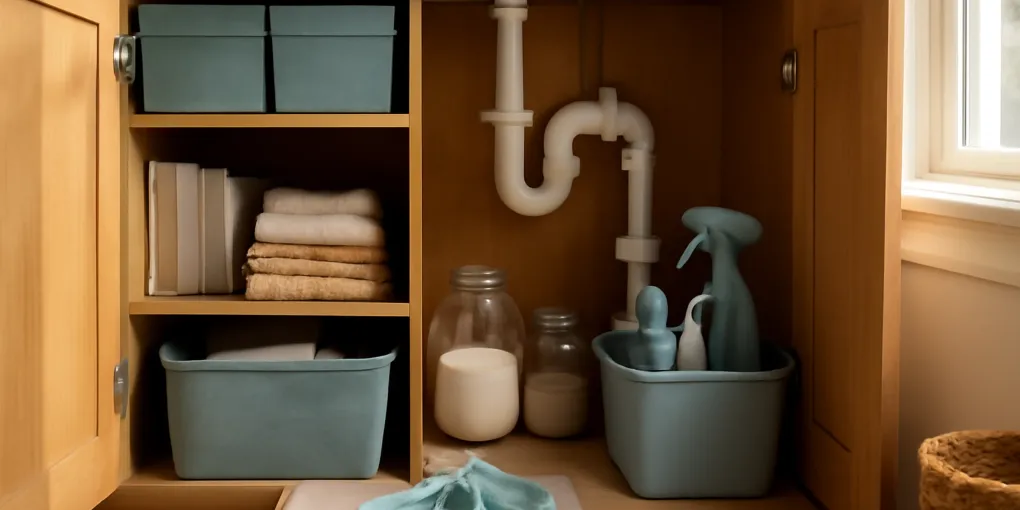
A damp cleaning cloth under the sink can turn a tidy cabinet into a sour-smelling supply zone. The cloth may look harmless, but it brings three things into a closed cabinet: moisture, cleaning residue, and whatever was wiped from the counter. If the cloth goes straight into a plastic bin beside spray bottles and trash bags, the cabinet starts smelling like a problem even when everything is technically organized.
This explainer is about cloth storage, not chemical sorting. For bottle and pod separation, use the under-sink storage safety protocol or the dishwasher pod storage safety protocol.
Quick picks
- Dry cloth bin: Search Amazon for ventilated cleaning cloth bins. Use for clean, dry cloths only.
- Drying bridge: Search Amazon for Simple Houseware towel bars. Helpful when you need a visible temporary drying spot.
- Laundry capture: Search Amazon for small washable laundry bags. Use for used cloths headed to the wash, not clean storage.
The real cause is a missing drying step
Most cloth-storage failures are not caused by the wrong bin. They are caused by skipping the transition between use and storage. A cloth wipes a sink, counter, appliance, or spill. It is still wet. Someone folds it, tosses it into a cabinet, and shuts the door. The cloth is now hidden before the moisture is gone.
CDC guidance on mold notes that moisture control and drying wet materials are central to preventing mold growth indoors (CDC mold cleanup and prevention). Kitchen cloths are smaller than drywall or carpet, but the organizing logic is similar: do not trap wet material in a dark, low-airflow space and expect storage to solve it.
Why under-sink cabinets make odor worse
Under-sink cabinets are usually poor drying spaces. They are enclosed, interrupted by plumbing, and often crowded with bottles, bags, brushes, and spare sponges. Many also have minor drips, humidity from the sink area, or a trash bag roll that blocks air movement.
That does not mean the under-sink cabinet can never hold clean cloths. It means the cabinet should only hold cloths after they are dry. If a cloth needs to dry, it belongs on a temporary drying rail, in a laundry zone, or clipped where air can reach it.
Clean, active, and dirty zones
Use three zones instead of one cloth bin:
| Zone | What goes there | Where it lives |
|---|---|---|
| Clean dry cloths | Fresh microfiber, dish cloths, polishing cloths | Ventilated bin or shallow drawer |
| Active drying cloth | Cloth used today but not ready for laundry | Towel bar, hook, or open drying spot |
| Dirty cloths | Greasy, food-soiled, bathroom, or chemical-use cloths | Washable laundry bag or hamper |
The active drying zone is the piece most people skip. Without it, the clean bin becomes a dirty waiting room.
What to keep out of the cloth bin
Do not store cloths with dishwasher pods, loose scrub pads, trash bags, pet supplies, or mystery cleaning attachments. Those categories force rummaging and increase contact with damp cloths. Do not put wet sponges in the clean cloth bin. Do not store bathroom cleaning cloths with kitchen food-surface cloths unless they are laundered and clearly separated after washing.
If you use color-coded cloths, make the code simple: one color for kitchen counters, one for glass, one for bathroom, one for floors or heavy mess. If the code requires a chart, it will be ignored.
The weekly reset
Once a week, pull the cloth bin out completely. Remove any cloth that smells, feels damp, or has stiff residue. Wipe the bin and let it dry before refilling. Check the cabinet floor for leaks or sticky residue. If the under-sink area smells even when the cloths are gone, the problem may be plumbing, trash, or a cleaning-product spill rather than cloth storage.
For microfiber, follow the care instructions on the cloth label. Many microfiber cloths perform best when washed without fabric softener, which can reduce absorbency. CDC home cleaning guidance also separates cleaning from disinfecting and reinforces that surfaces should be handled according to the mess and household risk, not by mixing every cleaning item together (CDC cleaning your home). If labels are gone, use a conservative wash routine and retire cloths that keep odor after laundering.
Buyer guidance: what actually helps
A ventilated bin helps clean cloths stay visible and easy to grab. It does not dry a wet cloth fast enough inside a closed cabinet. A lid helps protect clean cloths from dust, but it also hides moisture. Choose a lid only if every cloth going in is dry.
An over-cabinet towel bar is often the cheapest useful upgrade because it creates a one-day drying bridge. A small washable laundry bag helps if used cloths need to wait for a full load. The wrong purchase is a deeper under-sink bin that makes it easier to hide damp cloths.
Reader test
The system is working if a guest could open the cabinet and find dry clean cloths without touching used cloths, pods, or plumbing. It is failing if the first step after wiping the counter is opening a closed cabinet with a wet cloth in hand.
Cleaning Cloth Storage FAQ
Can I dry cleaning cloths over the sink divider?
Temporarily, yes, if the cloth is not touching dishes or food-prep items and the sink area stays sanitary. A dedicated towel bar or hook is cleaner and easier to remember.
Is a mesh bin enough ventilation?
Mesh helps dry cloths breathe after laundering, but it is not enough for a wet cloth in a closed cabinet. Dry first, store second.
How many cleaning cloths should stay under the sink?
Keep only the number you use between laundry cycles, plus a small backup. Too many cloths make it harder to notice when one has been stored damp.
Sources
- CDC, Mold: https://www.cdc.gov/mold-health/about/
- CDC, cleaning your home: https://www.cdc.gov/hygiene/cleaning/cleaning-your-home.html
Frequently Asked Questions
- They are often stored damp in a closed, crowded cabinet. Moisture, residue, and poor airflow let odor build before the cloth is fully dry.
- Only if they are dry and free of heavy residue. Damp cloths need a drying step or laundry bin, not closed storage.
- No. Keep clean dry cloths separate from used cloths so the storage bin does not become a damp holding zone.